

One platform, different control jobs
Modern machines rarely ask a controller to do only one thing. Logic, I/O, motion, operator interfaces, drives and field devices all need to work together, often while leaving room for future expansion. The Delta AX-3 family is intended for this kind of integrated machine-control architecture.
The range includes logic-focused and motion-capable CPUs rather than one universal model. That distinction matters. A machine that coordinates several servo axes over EtherCAT has different requirements from a process skid that primarily manages discrete and analogue I/O. Starting with a functional description of the machine helps avoid paying for unused capability—or discovering too late that a selected CPU cannot support the required interfaces.
Engineers can explore the wider Delta Electronics range or narrow the comparison to Delta mid-range PLCs.
CODESYS and motion control
AX-3 uses a CODESYS-based engineering environment and supports IEC 61131-3 programming conventions. For teams that already work with structured control programs, this can provide a consistent way to organise logic, reusable function blocks and diagnostics. Delta's DIADesigner-AX environment brings controller configuration and programming together for the AX platform.
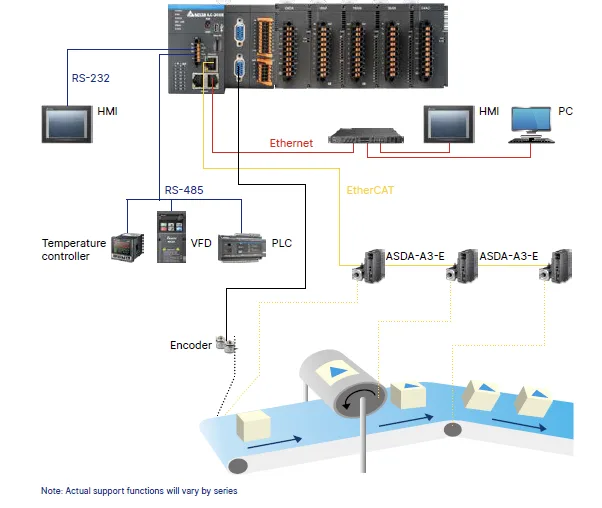
Selected AX-3 CPUs support EtherCAT motion control for applications such as packaging machinery, conveyors, indexing systems and other equipment that needs coordinated axes. Available models cover different axis counts and I/O arrangements. The exact motion functions, encoder interfaces, cycle performance and supported expansion modules are model-specific and should be checked against the current datasheet before the control architecture is frozen.
Bringing the machine together
An AX-3 controller can form the centre of a wider Delta automation system, communicating with drives, servo systems, HMIs and distributed I/O. Ethernet and serial communications are available across the family, while EtherCAT is used on motion variants. This makes the platform relevant to new machinery and carefully planned upgrades where several previously separate control functions need to be coordinated.
Integration is not only a communications question. Engineers should document signal types, update rates, network topology, diagnostics and the behaviour required when a device or network segment fails. That work determines whether the controller, I/O and field devices form a maintainable system rather than simply a collection of compatible components.
Choosing the right AX-3 CPU
Build the selection around four questions: how many local and remote I/O points are required; which communications protocols must be supported; whether coordinated motion is required now or later; and what environmental, compliance and support constraints apply. Also account for program growth, spare I/O, cabinet space and the team's engineering tools.
Products referenced
Examples to compare
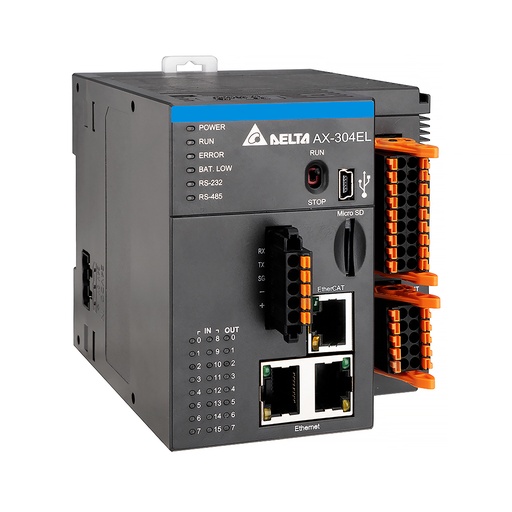
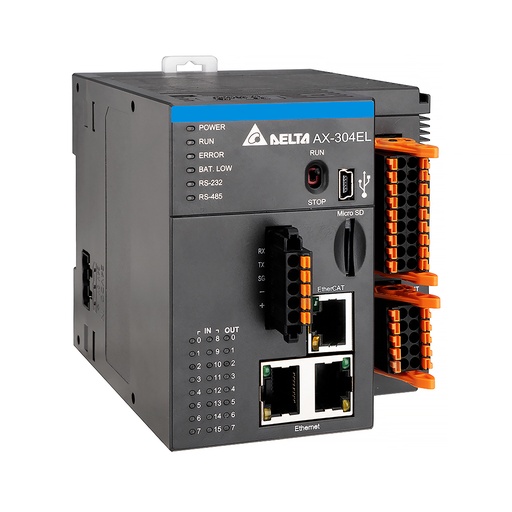
These are starting points for comparison. Confirm the exact model against the current manufacturer documentation and your application.

Application support
Talk through the architecture
If you are developing a new machine or modernising a control system, contact Mechtric with the I/O schedule, network requirements and intended motion axes. The team can help narrow the AX-3 options before detailed design.